The “Karate Experts” Who Made the World Laugh
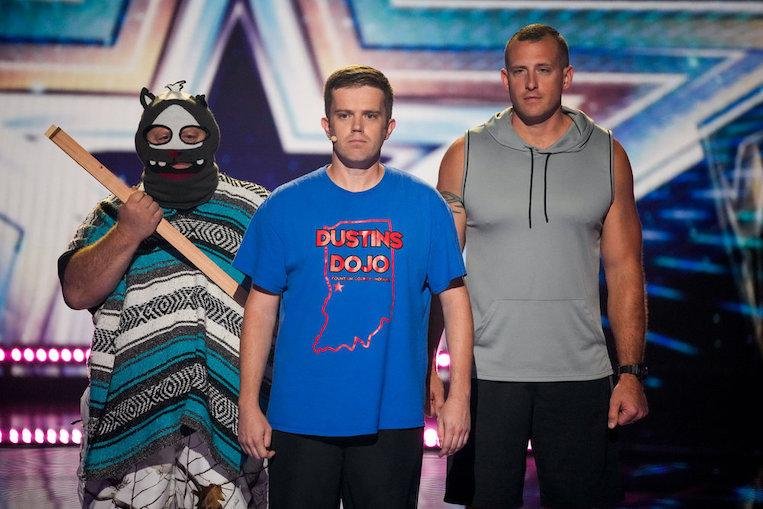
When people think about martial arts performances on America’s Got Talent, they might imagine serious fighters, dangerous moves, and impressive physical skills. But in 2014, a comedy karate act called Dustin’s Dojo arrived on the AGT stage and completely changed expectations.
Instead of delivering a traditional martial arts demonstration, Dustin and his partner Terry created a hilarious mix of karate moves, exaggerated confidence, and unexpected comedy. Their performance became historic because it earned the first-ever Golden Buzzer in America’s Got Talent history.
Behind the funny karate poses and dramatic action scenes was a story about friendship, imagination, and two performers who were determined to make people smile.
The Unusual Beginning of Dustin’s Dojo
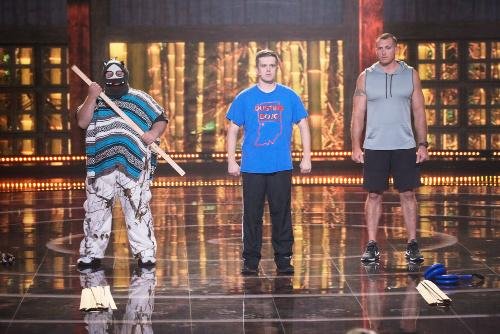
Dustin’s Dojo was not created as a typical martial arts competition act. Dustin presented himself as a serious karate expert, while Terry played the role of his student and loyal partner.
Their comedy came from the contrast between Dustin’s extreme confidence and the ridiculous situations happening around him.
Dustin acted like he was a legendary martial arts master ready for any danger. He constantly looked around as if an attacker could appear at any moment, creating one of the funniest parts of their character.
The act was a parody of classic martial arts movies, where heroes perform dramatic moves and believe they can defeat any challenge.
But instead of fighting villains, Dustin and Terry created comedy.
The AGT Audition That Made History
When Dustin’s Dojo walked onto the America’s Got Talent stage during Season 9, the judges were unsure what to expect.
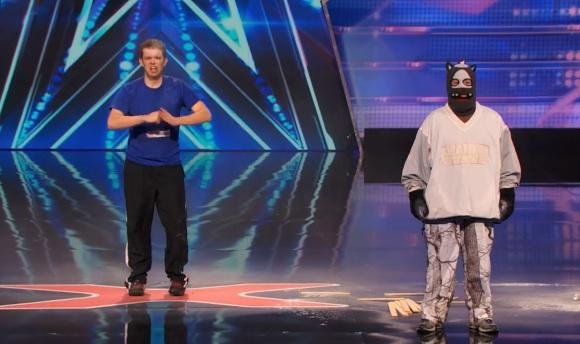
The duo began with traditional-looking karate demonstrations, including board breaking and impressive-looking punches. But quickly, the audience realized this was not a serious martial arts exhibition.
It was comedy.
The routine became increasingly ridiculous, with exaggerated movements and unexpected jokes. Their performance included Dustin demonstrating his “skills” while Terry created funny surprises that turned the routine into a comedy show.
Some judges were unsure about the act, but others appreciated the unique humor. The audience reaction showed that Dustin’s Dojo had created something memorable.
Howard Stern’s Golden Buzzer Creates AGT History
The biggest moment came when judge Howard Stern decided to use his Golden Buzzer.
At the time, the Golden Buzzer was brand new on America’s Got Talent, and Dustin’s Dojo became the first act ever to receive it.
The decision was surprising because not every judge supported moving the act forward. However, Howard Stern believed their comedy and originality deserved another chance.
As the Golden Buzzer was pressed and confetti fell, Dustin and Terry celebrated a moment that would become part of AGT history.
They were not the most traditional performers.
They were not the most technically impressive.
But they were unforgettable.
The Funny Challenges Behind the Scenes
1. Staying Serious While Being Completely Ridiculous
One of the secrets behind Dustin’s Dojo was commitment.
The comedy worked because Dustin treated every silly karate move as if it were the most important technique in the world.
The more serious he acted, the funnier the performance became.
Behind the scenes, maintaining that character required confidence and timing. Comedy is difficult because one wrong moment can ruin the joke.
2. Turning Mistakes Into Entertainment
Live performances are unpredictable.
A move might not happen perfectly.
A prop might not work.
The audience might react differently than expected.
For comedy performers, those moments can actually become part of the fun.
Dustin’s Dojo understood that entertainment is not always about perfection—it is about creating a memorable experience.
3. Making Martial Arts Fun for Everyone
Traditional martial arts can sometimes appear intimidating. Dustin’s Dojo transformed it into something approachable and funny.
Their performance allowed audiences who knew nothing about karate to enjoy the act.
Children laughed.
Adults laughed.
Even viewers who normally did not watch martial arts performances could appreciate the humor.
The Journey After the Golden Buzzer
Although Dustin’s Dojo received the historic Golden Buzzer, their journey on Season 9 ended during Judgment Week before reaching the live shows.
However, their impact lasted much longer than their competition results.
Years later, the duo returned for America’s Got Talent: All-Stars, bringing back their unique combination of comedy and karate.
Their return reminded fans why they became memorable in the first place: they were different.
Why Dustin’s Dojo Became a Fan Favorite
A Unique Idea
Talent shows often feature singers, dancers, and musicians. Dustin’s Dojo proved that comedy built around a simple idea could also create a huge reaction.
Their act was something audiences did not expect.
Strong Character Performance
The funniest part of Dustin’s Dojo was not only the karate moves—it was the characters.
Dustin’s confidence and Terry’s reactions created a comedy partnership that made the audience want to see what would happen next.
A Performance People Remember
Many contestants are remembered because they won competitions.
Dustin’s Dojo is remembered because they created a moment.
Their Golden Buzzer was historic, their performance was unusual, and their comedy style made them impossible to forget.
The Legacy of Dustin’s Dojo’s Golden Buzzer Moment
Dustin’s Dojo proved that entertainment does not always require the biggest voice, the most dangerous stunt, or the most complicated routine.
Sometimes, the secret is simply making people laugh.
Their America’s Got Talent appearance became a reminder that originality matters. A comedy karate duo walked onto a major television stage and created a piece of AGT history.
Behind the fake fighting, funny poses, and exaggerated confidence was a simple goal:
Make people smile.
And that is exactly what Dustin’s Dojo did.
Their Golden Buzzer moment remains one of the funniest and most unexpected chapters in America’s Got Talent history.